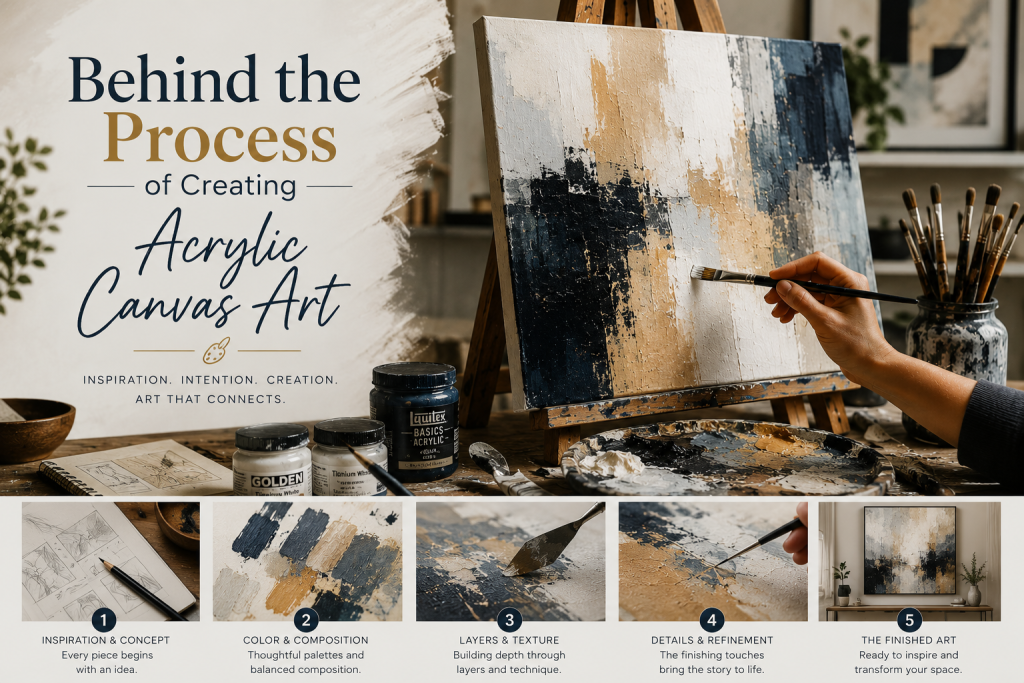
Art is much more than colors placed on a surface. Every painting carries an idea, a process, and an emotional journey behind it. Acrylic canvas art, especially large contemporary paintings, requires creativity, patience, technical understanding, and attention to detail. While viewers often admire the final artwork displayed on a wall, very few people understand the amount of planning, experimentation, and effort involved in creating a hand-painted canvas painting.
In recent years, acrylic canvas art has become extremely popular in modern interiors because of its versatility, bold appearance, and luxurious aesthetic. Large abstract paintings, textured artwork, skyline-inspired compositions, and spiritual contemporary art are now being used in homes, offices, hotels, and commercial interiors. Acrylic paints have become one of the most preferred mediums for contemporary artists because they dry quickly, allow layering, and create beautiful textures.
Unlike machine-made prints, hand-painted acrylic artwork carries individuality and originality. Every brushstroke, texture, and layer reflects the artist’s creativity and emotions. The process of creating acrylic canvas art involves several stages, beginning from inspiration and sketching to layering, detailing, stretching, and finishing.
Understanding the artistic process also helps viewers appreciate the value of original artwork. Hand-painted paintings are not simply decorative items; they are creative expressions that require vision, technical skill, and dedication. Behind the Process of Creating Acrylic Canvas Art.
This blog explores the complete journey Behind the Process of Creating Acrylic Canvas Art and explains how artists transform ideas into large statement paintings for modern interiors.
Finding Inspiration and Developing Concepts
Every artwork begins with inspiration. Before any painting starts, artists spend time developing ideas and imagining the final composition.
Inspiration can come from many sources, including:
- Architecture
- Nature
- City skylines
- Spiritual themes
- Human emotions
- Interior design trends
- Cultural symbolism
- Personal experiences
Modern contemporary artists often combine multiple inspirations to create unique visual concepts.
For example:
- A Dubai skyline painting may combine luxury architecture with abstract textures.
- Spiritual artwork may merge divine symbolism with modern minimalism.
- Abstract paintings may reflect emotions through colors and movement.
The conceptual stage is extremely important because it determines the mood, style, composition, and overall direction of the painting.
Artists also consider where the artwork may eventually be displayed. A painting designed for a luxury living room may require different colors and proportions compared to artwork meant for a hotel lobby or office space.
Planning the Composition
Once the concept is finalized, the next step involves planning the composition.
Composition refers to the arrangement of elements within the artwork. Good composition creates balance, movement, and harmony.
Artists carefully decide:
- Placement of major elements
- Focal points
- Color flow
- Textural balance
- Proportions
- Negative space
Planning is especially important for large canvas paintings because oversized artwork needs strong visual structure to maintain impact from a distance.
Some artists create rough digital references, while others prefer hand-drawn sketches before starting the final painting.
Behind the Process of Creating Acrylic Canvas Art
Composition planning helps avoid mistakes during later stages and allows the artist to visualize the finished artwork more clearly.
Selecting the Canvas
The canvas plays a major role in the quality and durability of acrylic paintings.
Modern artists commonly use:
- Cotton canvas
- Linen canvas
- Stretched canvas
- Canvas rolls
Large artworks are often created on canvas rolls because they are easier to transport and work on during the painting process.
Canvas texture also affects how acrylic paint behaves. Smooth canvases allow cleaner detailing, while textured surfaces create more organic effects.
Before painting begins, the canvas is usually primed using gesso. Priming prepares the surface, improves paint adhesion, and increases durability.
Professional preparation ensures that the artwork remains stable and long-lasting over time.
Sketching the Artwork
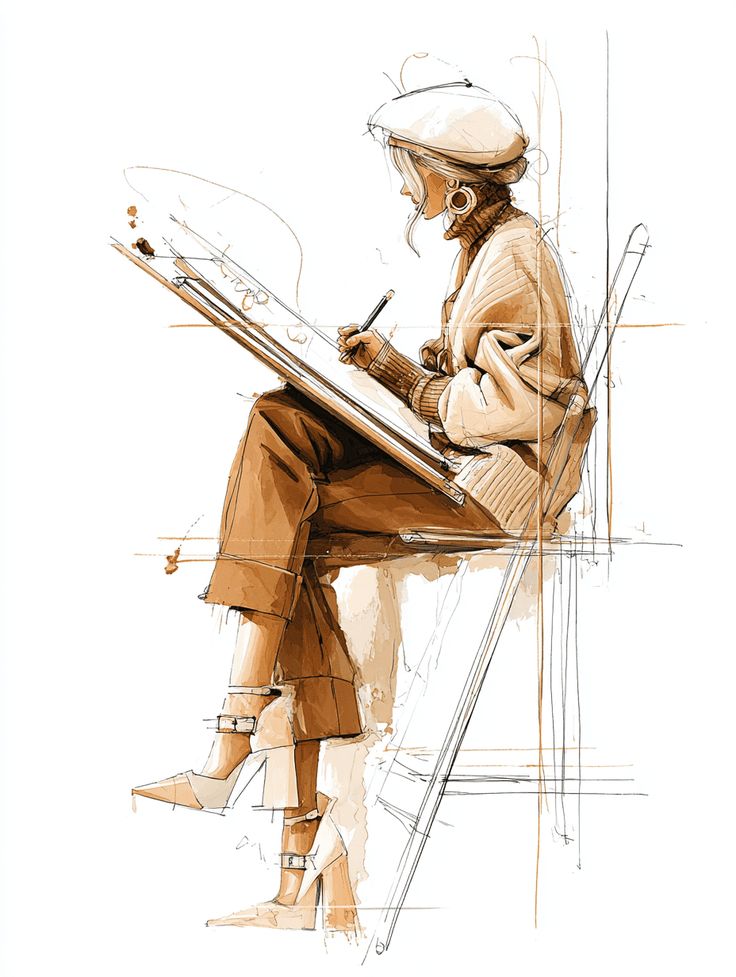
Sketching is one of the foundational stages in acrylic painting.
Artists lightly draw the main structure of the artwork onto the canvas using:
- Pencil
- Charcoal
- Chalk
- Acrylic markers
The sketch acts as a visual guide during painting.
Behind the Process of Creating Acrylic Canvas Art
In abstract artwork, sketching may involve only rough movement lines and compositional balance. In more detailed paintings such as skyline art or spiritual portraits, sketching becomes more precise.
Large-scale paintings require careful proportion management because even small mistakes become highly visible on oversized canvases.
This stage helps establish:
- Shapes
- Perspective
- Scale
- Positioning
- Visual flow
Many artists continuously refine the sketch before beginning the coloring process.
Understanding Acrylic Paints
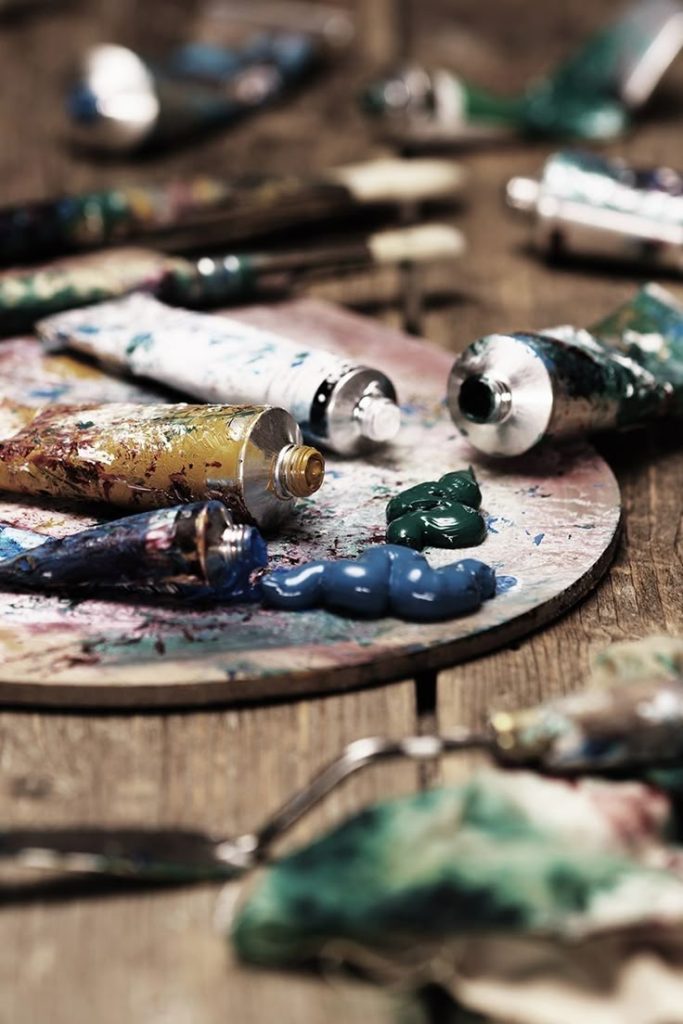
Acrylic paints are extremely versatile and widely used in contemporary art.
One of the biggest advantages of acrylic paint is its fast drying time. Unlike oil paints, acrylics dry quickly, allowing artists to build multiple layers efficiently.
Acrylic paints can be used in various styles:
- Thin watercolor-like washes
- Bold opaque layers
- Heavy texture work
- Smooth blending
- Palette knife effects
Modern artists appreciate acrylics because they offer flexibility and strong color vibrancy.
Acrylic paint also works exceptionally well for large contemporary paintings because it dries faster on oversized surfaces.
Building the First Layers
The painting process usually begins with base layers.
Artists first establish:
- Background tones
- Major color blocks
- Initial textures
- Overall mood
These early layers help define the atmosphere of the painting.
For example:
- Neutral tones create calm luxury aesthetics.
- Dark backgrounds create dramatic impact.
- Gold and metallic bases add richness.
Artists gradually develop the painting layer by layer instead of finishing details immediately.
Layering allows colors to interact naturally and creates depth within the artwork.
The Importance of Texture in Contemporary Art
Texture has become one of the most defining features of modern acrylic canvas art.
Textured paintings create physical depth and visual interest, making them more engaging than flat surfaces.
Artists use various techniques to create texture:
- Palette knife application
- Thick acrylic mediums
- Sand textures
- Modeling paste
- Layered brushwork
Textured artwork interacts beautifully with lighting because shadows and highlights change throughout the day.
Luxury interiors especially favor textured art because it creates a sophisticated and handcrafted appearance.
Gold textures have become particularly popular in modern homes because they reflect elegance and richness.
Color Selection and Emotional Impact
Colors influence how viewers emotionally connect with artwork. Behind the scenes art creation.
Artists carefully select color palettes depending on the intended atmosphere of the painting.
For example:
- Beige and white create calmness.
- Black creates sophistication.
- Gold adds luxury.
- Blue creates peace.
- Earth tones create warmth.
Modern contemporary interiors often prefer neutral and minimal palettes because they blend naturally with furniture and architecture.
Artists also consider how colors will appear under different lighting conditions once the painting is displayed.
Detailing and Refinement
Once the main layers and textures are complete, artists begin refining the details. Handmade acrylic paintings.
This stage may include:
- Adding highlights
- Creating contrast
- Sharpening edges
- Enhancing textures
- Balancing composition
Detailing is important because it adds character and professionalism to the artwork.
In skyline paintings, detailing may involve architectural lines and reflections. In abstract paintings, detailing may focus on movement, texture transitions, and subtle color shifts.
Many artists revisit the artwork multiple times before considering it complete.
Drying and Surface Protection
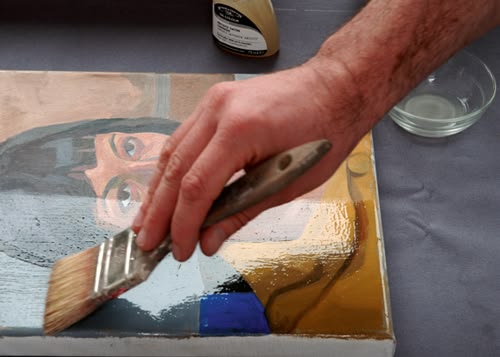
After the painting is completed, the artwork must dry properly before final finishing.
Acrylic paintings are often sealed using protective varnishes to:
- Protect colors
- Prevent dust damage
- Improve durability
- Enhance finish quality
Varnishes may create:
- Matte finish
- Satin finish
- Gloss finish
Surface protection is especially important for large paintings displayed in luxury interiors or commercial spaces.
Stretching the Canvas
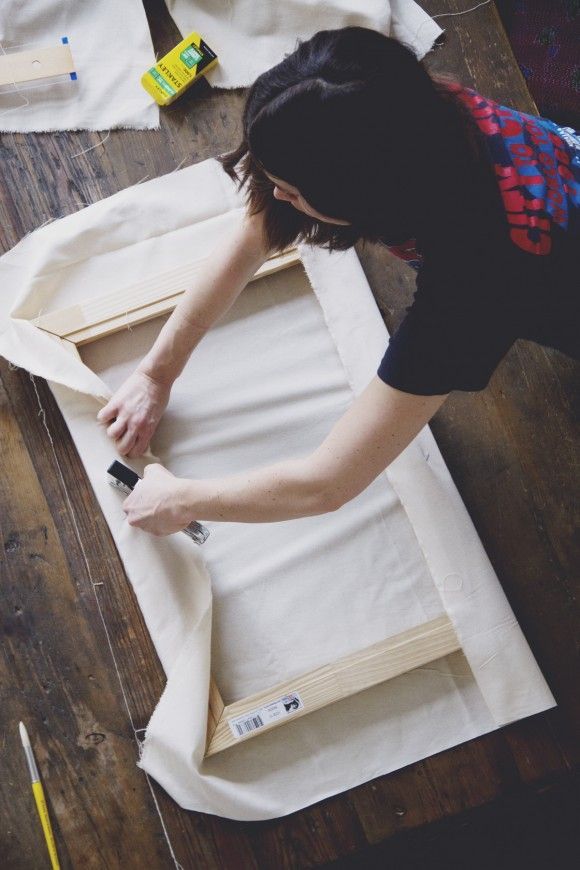
If the artwork is created on a canvas roll, it is stretched onto a wooden frame after completion.
Stretching involves carefully pulling the canvas over stretcher bars to create a smooth and tight surface.
Professional stretching ensures:
- Proper tension
- Wrinkle-free presentation
- Structural durability
Large paintings require strong wooden support because oversized canvases can become unstable if stretched improperly.
Some artworks are also framed after stretching to create a more polished appearance.
The Emotional Value of Hand-Painted Art
One of the most important aspects of acrylic canvas art is emotional connection.
Unlike mass-produced prints, hand-painted artwork carries individuality and human expression.
Every painting reflects:
- Creative thought
- Artistic energy
- Personal interpretation
- Time and dedication
This emotional authenticity is what makes original artwork special.
Homeowners increasingly value hand-painted paintings because they add personality and uniqueness to interiors.
The Growing Demand for Acrylic Canvas Art
The demand for contemporary acrylic artwork continues growing because modern interiors increasingly focus on personalization and luxury aesthetics.
Large acrylic paintings are now widely used in:
- Luxury homes
- Villas
- Hotels
- Corporate offices
- Restaurants
- Commercial spaces
People are moving away from generic wall decor and investing in meaningful statement artwork instead.
Social media has also increased appreciation for contemporary art and artistic interiors.
Creating acrylic canvas art is a detailed creative journey that combines imagination, technical skill, patience, and emotional expression. From inspiration and sketching to layering, texturing, detailing, and finishing, every stage contributes to transforming a simple canvas into a powerful statement artwork.
Modern acrylic paintings continue shaping contemporary interiors because they bring originality, sophistication, and personality into spaces. Hand-painted artwork not only enhances aesthetics but also creates emotional connection and artistic value.
As modern design trends continue evolving, acrylic canvas art will remain one of the most influential forms of contemporary interior expression.
To know more click here About.
Shop here.